
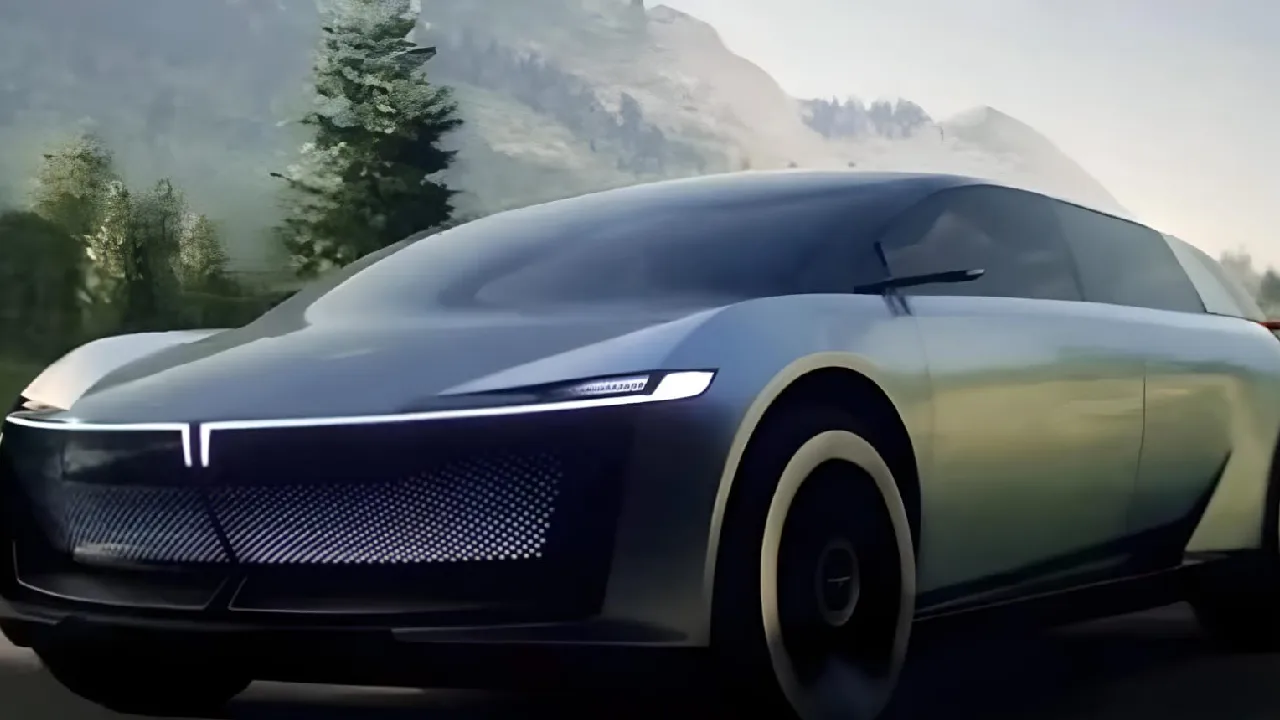
Tata Motors is no longer content with only dominating the mass-market EV space. With Avinya, the company is making a clear shift toward a premium, aspirational electric brand designed to sit well above today’s Nexon EV and Punch EV.
What started as a single futuristic concept has now evolved into a full-fledged luxury EV portfolio, aimed directly at European players like BMW, Mercedes-Benz, and Volvo.
Table of Contents
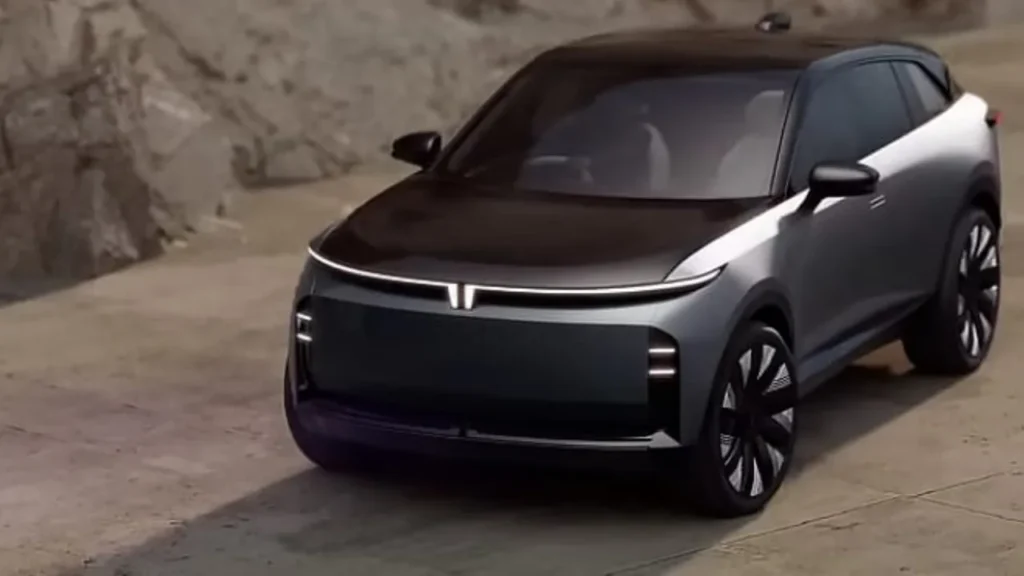
Avinya Is No Longer One Car — It’s a Brand
Internally, Tata is working on five Avinya-based products, codenamed P1 to P5, covering multiple body styles and price points. This approach allows Tata to build an entire premium EV ladder instead of relying on a single flagship.
Avinya Product Roadmap (P1–P5)
| Codename | Body Style | Positioning |
|---|---|---|
| P1 | Sportback / Crossover | Closest to the 2022 Avinya concept; first to launch (late 2026) |
| P4 | Lifestyle SUV | Premium mid-size luxury SUV, Velar-like positioning |
| P5 | Full-size Luxury SUV | Three-row flagship at the top of the Avinya range |
| (Eval) | Compact Premium SUV | ~4.4m urban luxury EV |
| (Eval) | Luxury MPV | Near-5m EV focused on rear-seat comfort |
This clearly shows that Avinya is being developed as a multi-body luxury sub-brand, not a one-off halo model.
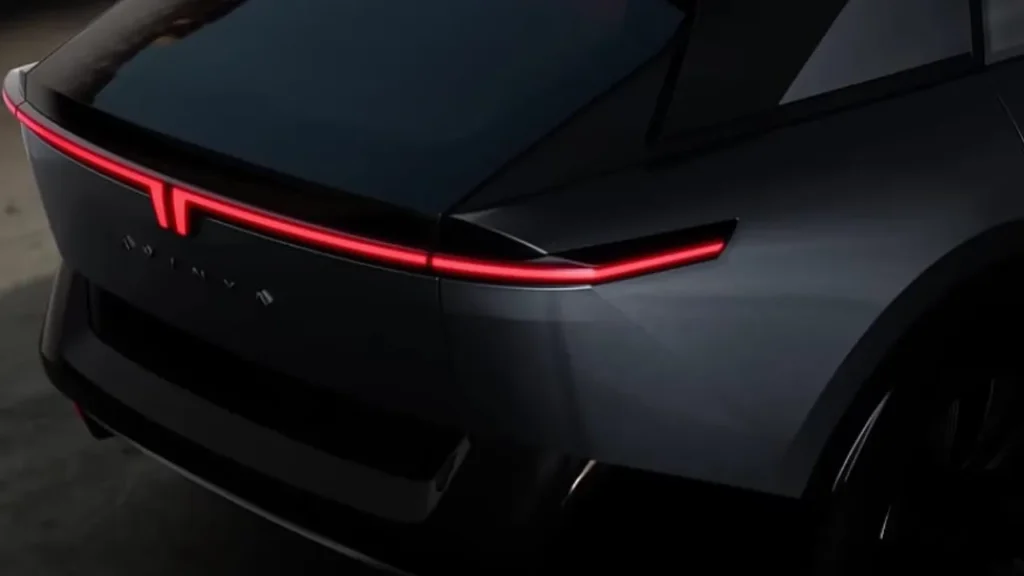
The JLR Connection: The Biggest Upgrade
The most critical enabler behind Avinya is Tata’s access to Jaguar Land Rover technology.
Avinya models will be built on JLR’s EMA (Electrified Modular Architecture) — a global, born-electric skateboard platform.
What EMA Brings to Avinya
- Flat-floor EV architecture
- Software-defined vehicle (SDV) capability
- High-speed OTA updates
- Advanced electronic architecture
- Support for Level 2+ ADAS
- Premium ride, handling, and refinement benchmarks
While the platform is licensed from Jaguar Land Rover, Tata will localise manufacturing in India to keep costs under control.
Premium Pricing: A New Territory for Tata
Avinya will mark Tata’s entry into a completely new price bracket.
- Expected starting price (P1): ₹35 lakh+
- Higher variants could push significantly above this
- Direct competition with:
- BMW iX1 / iX3
- Mercedes-Benz EQB
- Volvo EX40 / C40
This is a bold move for Tata, positioning Avinya not as a “value EV,” but as a technology-led luxury product.
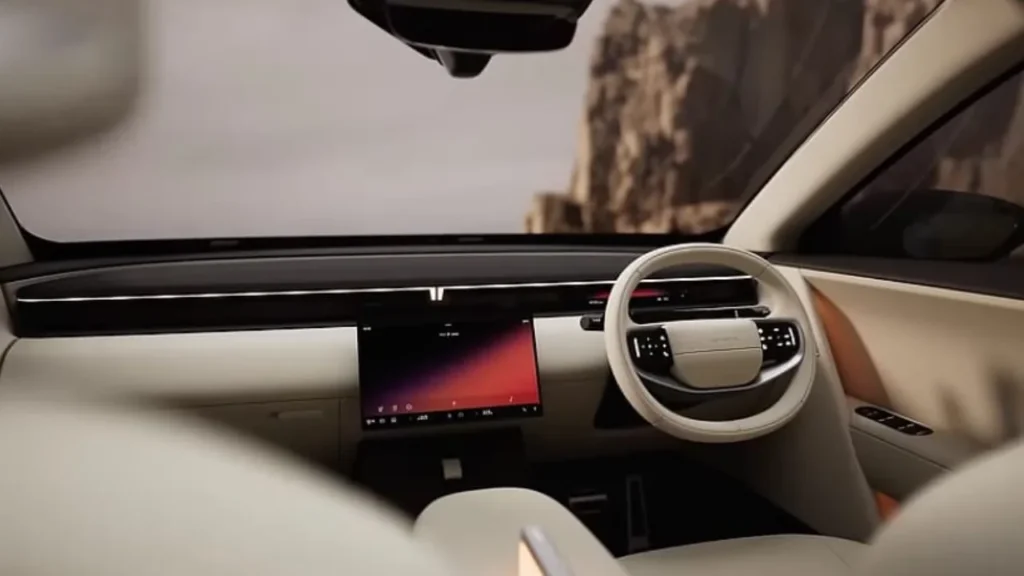
2026: A Make-or-Break Year for Tata EVs
Tata has already outlined a packed EV calendar leading up to Avinya.
Confirmed EV Timeline
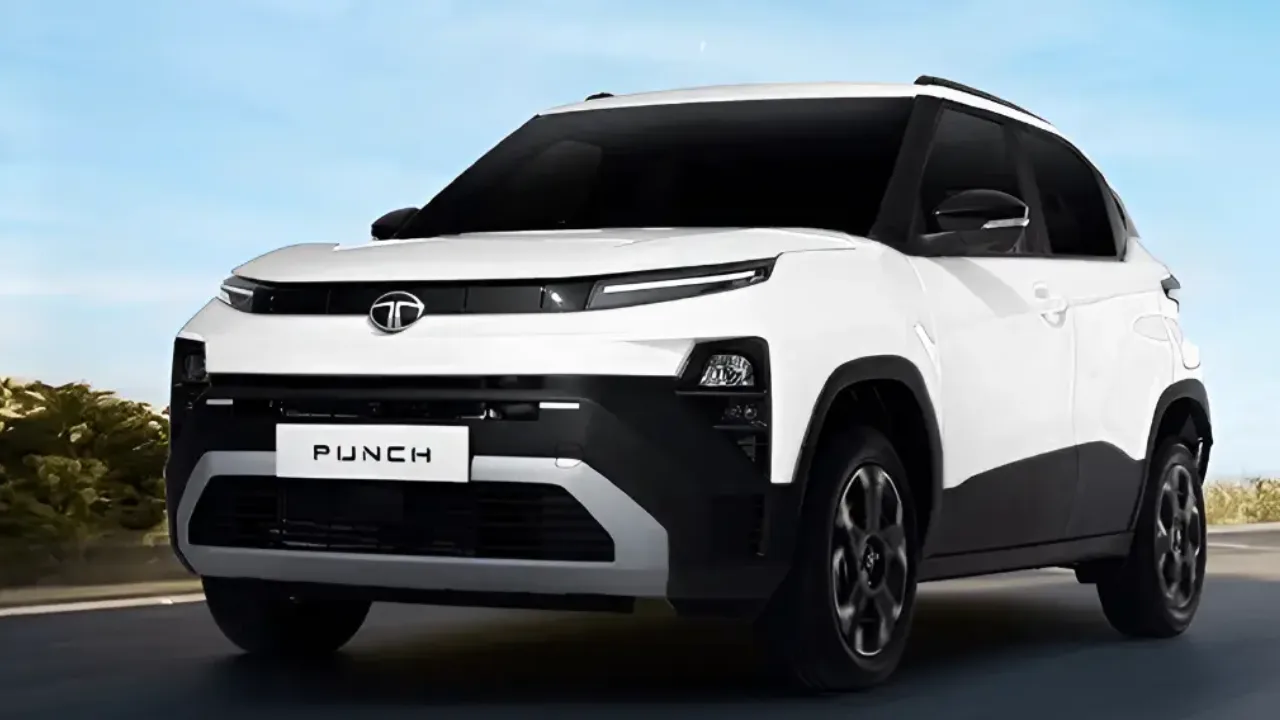
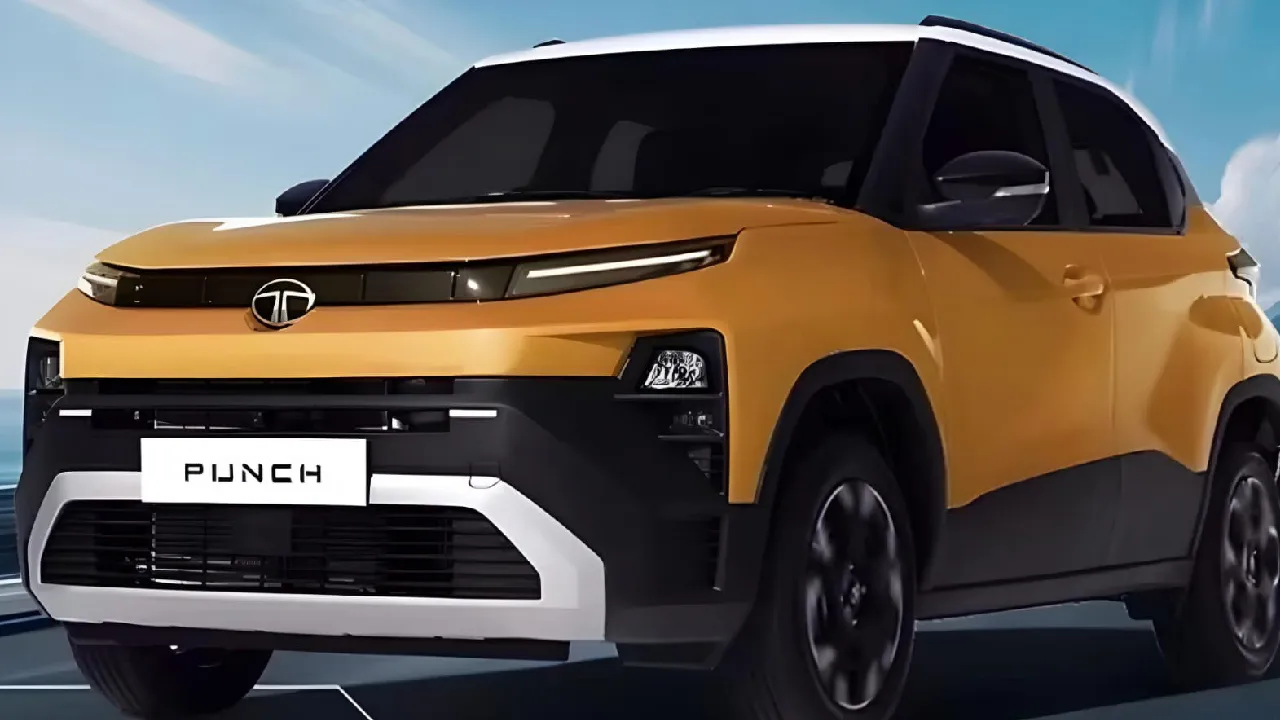
- H1 2026 – Punch EV facelift
- 2026 – Sierra EV (500 km+ expected range)
- Late 2026 – Avinya P1 launch
The Avinya P1 will be manufactured at Tata’s Sanand facility (ex-Ford plant), signaling its importance as a flagship product.
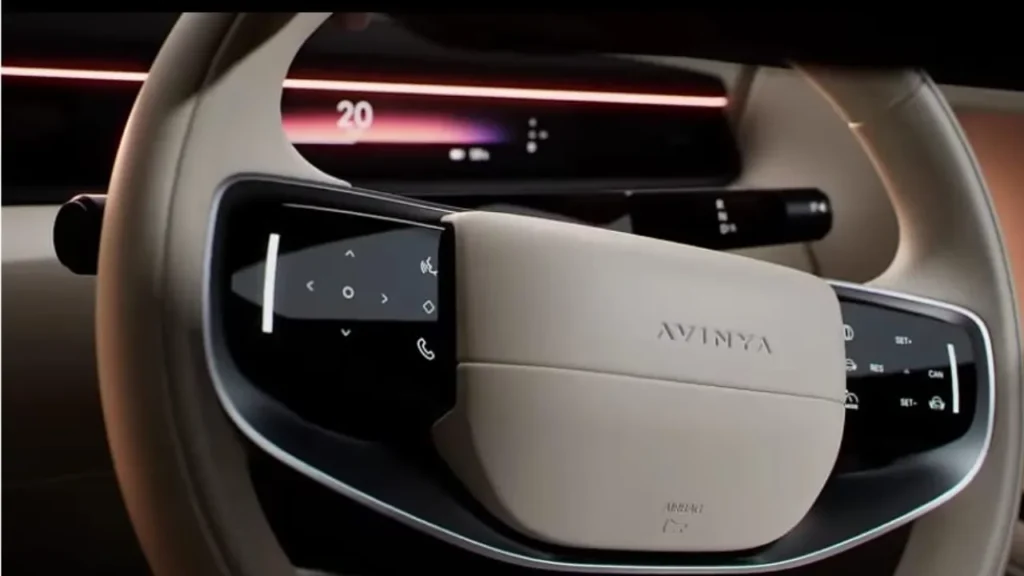
Why Avinya Matters for Tata
Avinya represents a strategic reset:
- From mass EV leader → premium EV challenger
- From single products → brand-based portfolio
- From cost-driven EVs → experience-driven luxury
By leveraging JLR engineering and spreading Avinya across multiple body styles (sportback, SUV, MPV), Tata is reducing risk while building long-term credibility in the luxury EV space.
Final Thoughts
Avinya is Tata Motors’ most ambitious EV bet yet. If the pricing, quality, and software experience live up to expectations, it could redefine how Indian brands are perceived in the global premium EV market.
So, what do you think — can Tata Avinya truly take on luxury EV brands from Germany and Sweden, or is the price jump too big for Indian buyers? Share your thoughts in the comments below!