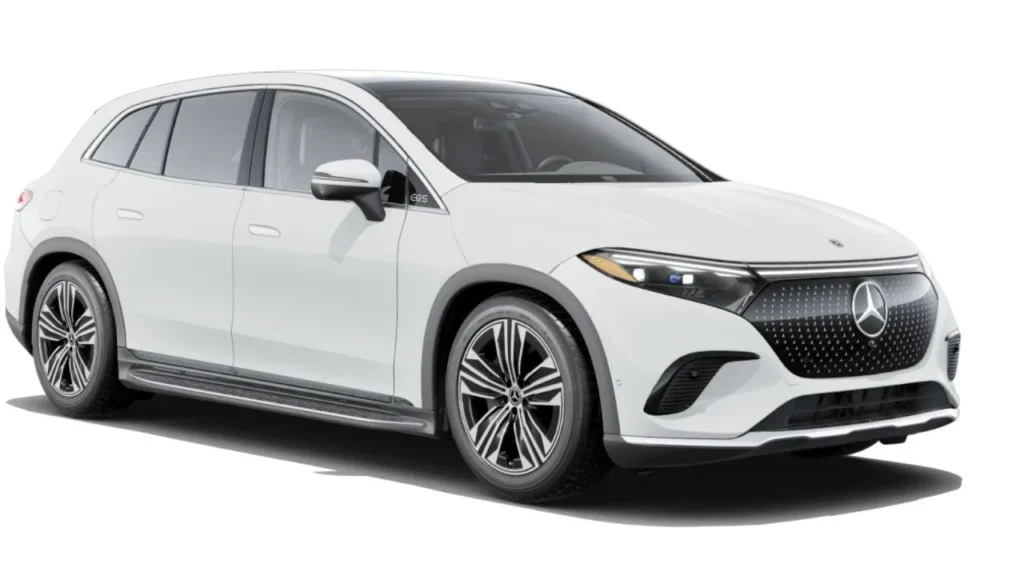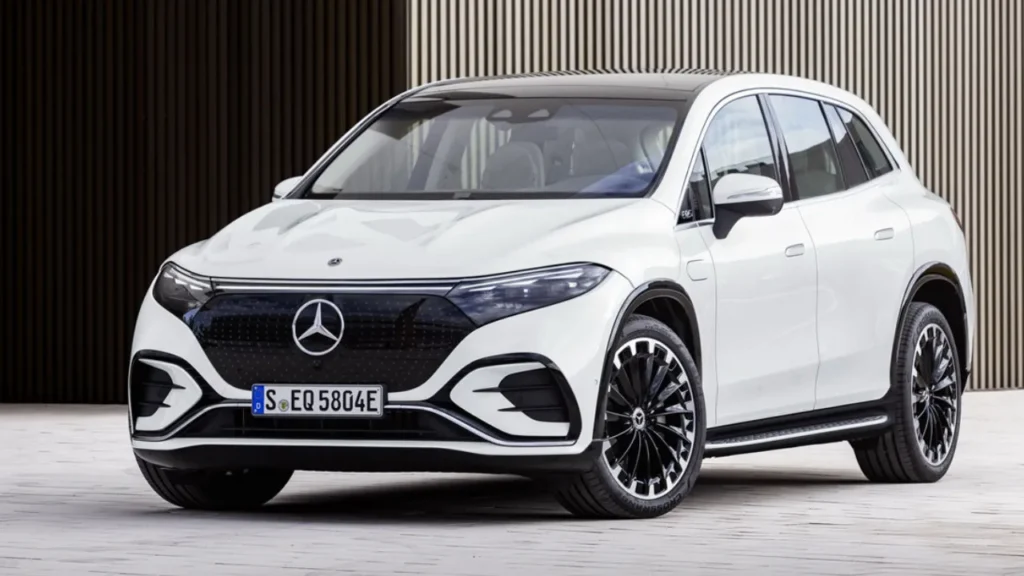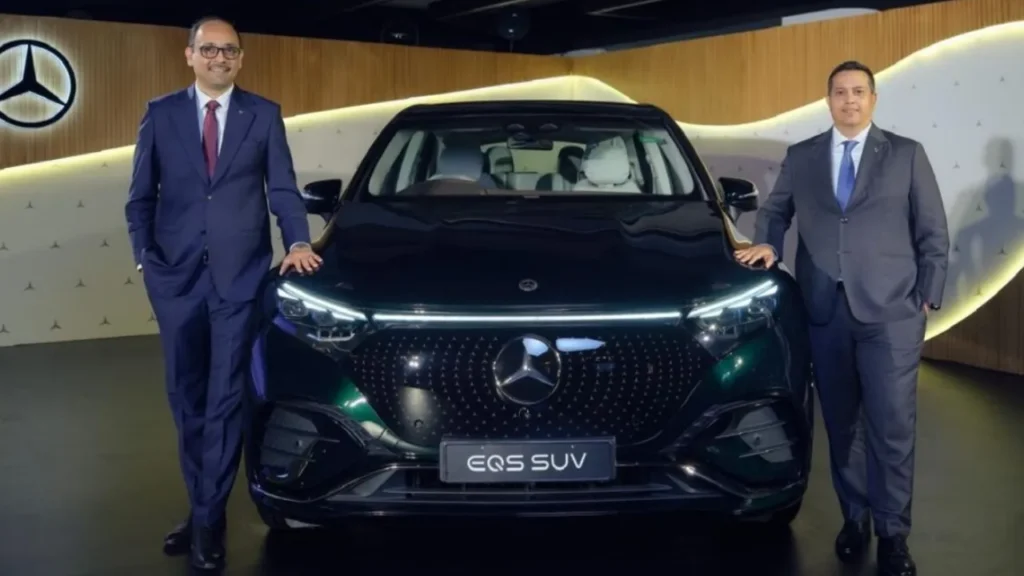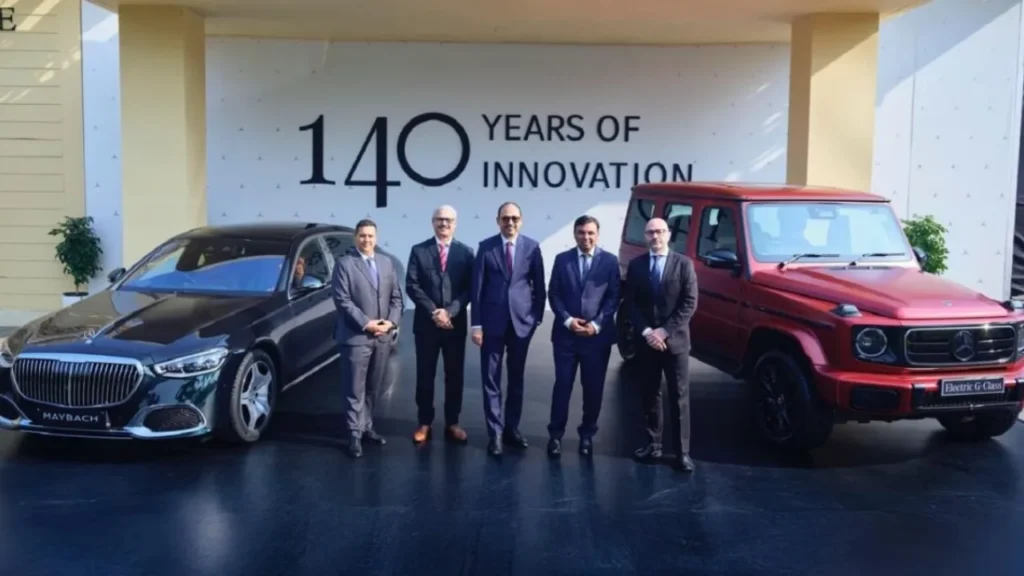

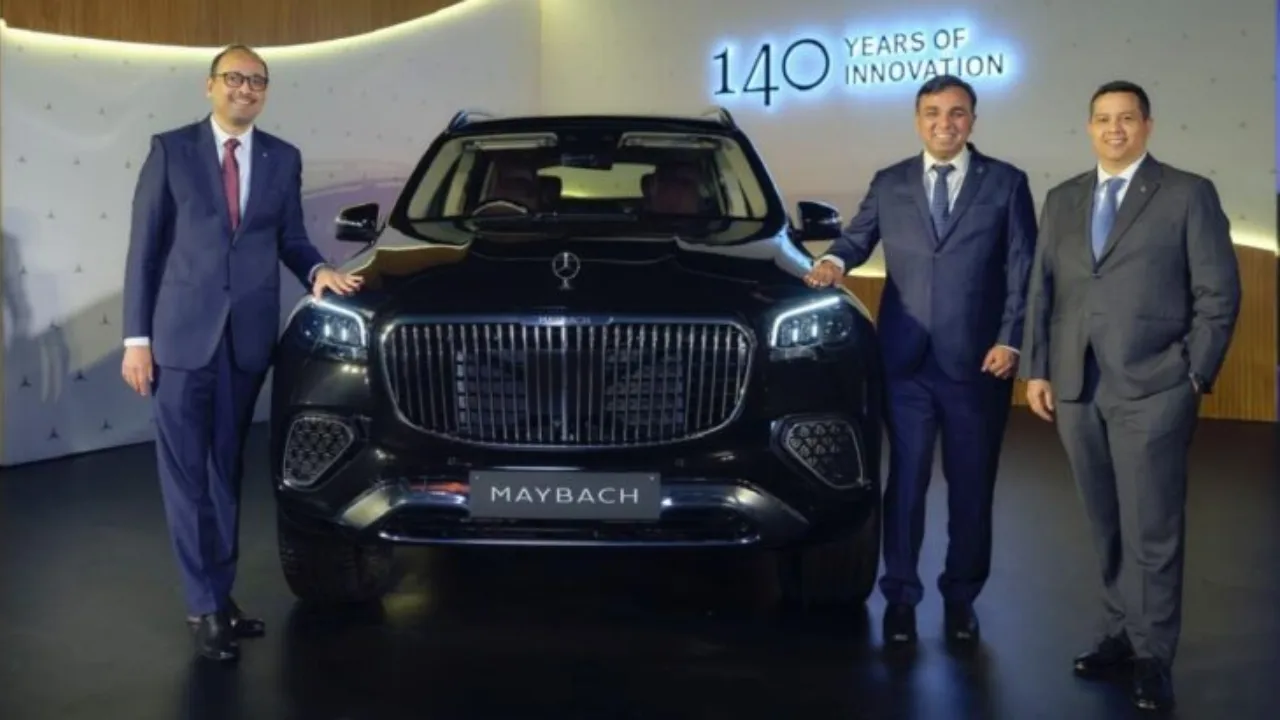
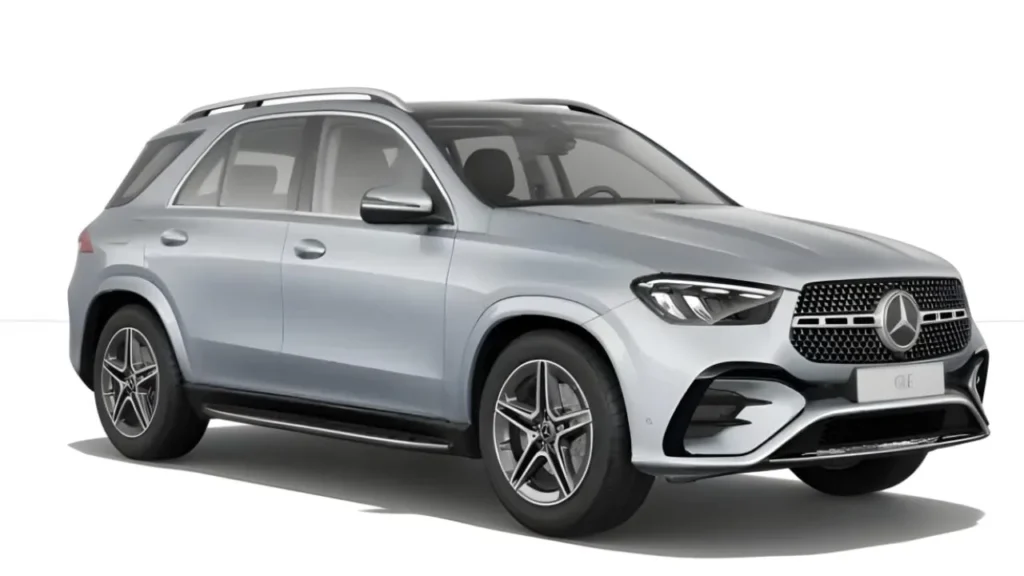
Mercedes-Benz India has confirmed a nationwide price increase across its entire lineup, effective January 1, 2026. The hike will be up to 2%, varying by model based on import content. This adjustment applies to all body styles and powertrains — from ICE sedans and SUVs to EVs, AMGs, and the ultra-luxurious Maybach models.
Table of Contents

Why Mercedes-Benz Is Increasing Prices
The brand cites prolonged macroeconomic pressures throughout 2025 as the core reason behind the upcoming revision. Despite absorbing rising costs for months, the company says a partial price correction is now unavoidable.
1. Euro–INR Exchange Rate Above ₹100
2025 has seen the EUR/INR rate consistently stay above ₹100. Since many Mercedes models are fully imported or built with high imported parts content, currency fluctuations have significantly inflated costs.
2. Rising Input & Operating Costs
- Higher raw material costs
- Inflation-driven component pricing
- Rising global logistics and freight expenses
Mercedes-Benz India MD & CEO Santosh Iyer stated that while the company tried to shield customers from these impacts, current conditions demand price realignment.
Which Models Will See the Biggest Price Increase?
Price impact will depend on the level of localisation.
Higher Hike Expected For:
- Fully imported CBU models
- AMG performance cars
- Maybach S-Class and GLS
- Electric Vehicles (EQE, EQS, EQB, upcoming EVs)
These models rely heavily on imported components, making them more vulnerable to forex swings.
Moderate Hike for Locally Assembled Models
Even CKD models such as:
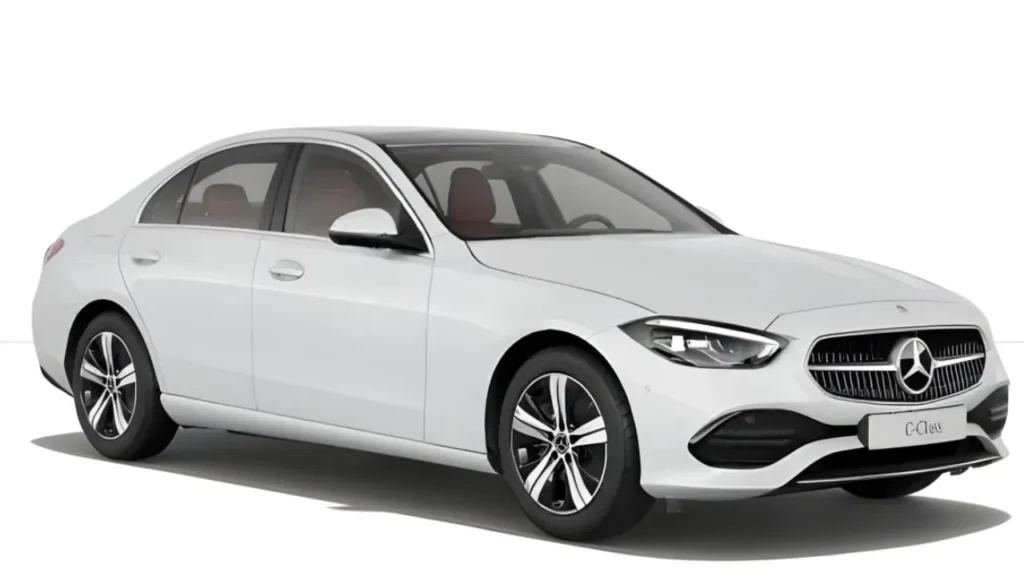
- C-Class
- E-Class LWB
- A-Class Limousine
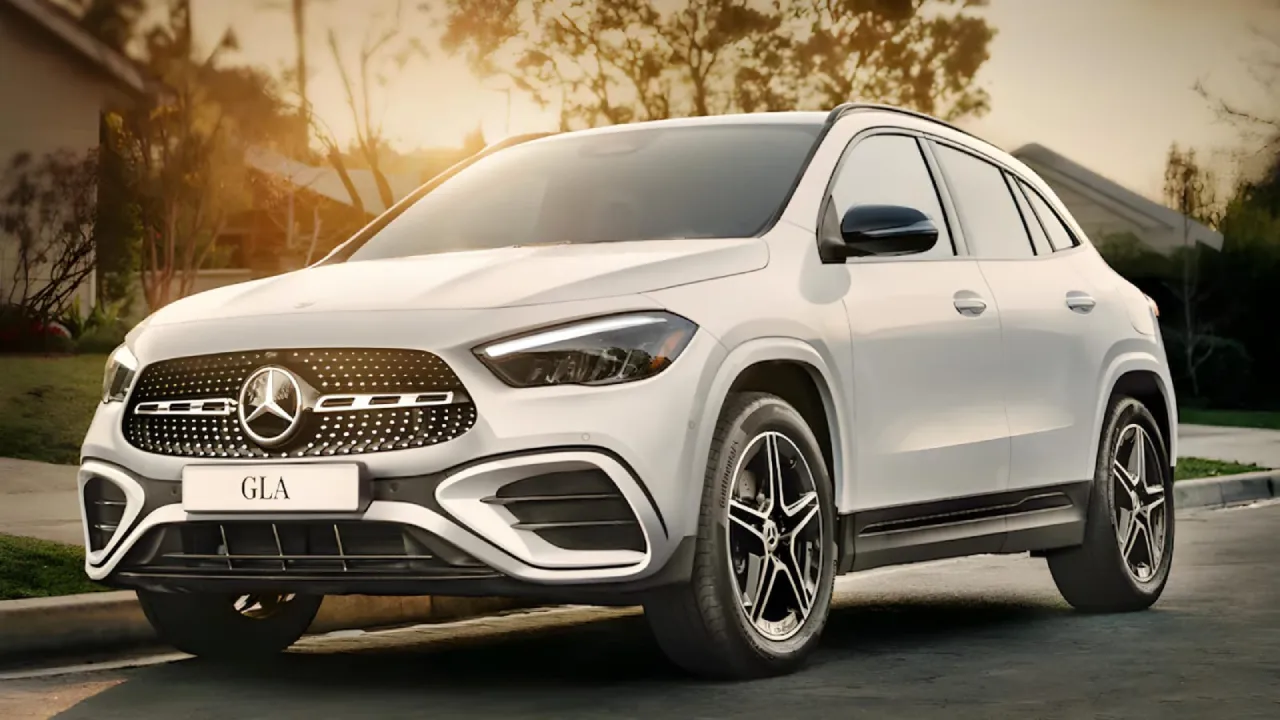
- GLA, GLC
- EQS 580 (locally assembled)
…will see an increase because imported parts still contribute considerably to the overall cost.
Mercedes-Benz’s Strategy to Reduce the Impact for Customers
Despite the price hike, the brand is rolling out financial measures to offset the effect on buyers.
Lower EMIs Due to Falling Repo Rates
With the RBI steadily reducing repo rates in 2025:
- MBFS (Mercedes-Benz Financial Services) will offer reduced EMI plans
- Over 50% of all Mercedes cars are financed via MBFS
- Nearly 80% of total Mercedes sales involve some form of financing
This helps balance the increased ex-showroom prices.
Quarterly Price Adjustments Being Considered
Instead of one significant annual correction, Mercedes may shift to quarterly price realignments. This could reduce sudden spikes and make pricing more predictable.
Final Thoughts
Mercedes-Benz’s January 2026 price revision reflects global cost pressures, currency fluctuations, and rising component expenses. However, with better financing options and a phased pricing strategy, the brand is aiming to soften the impact for buyers.
What do you think — will this price hike influence your next luxury car purchase? Tell us in the comments below!