
Home
STORIES SHORTS MORE

Hatchbacks Stage a Comeback: Tax Relief Breathes New Life Into the “Small Car” Segment

Mohammed Bilal Avatar

Mohammed Bilal

Published: January 13, 2026

Share:
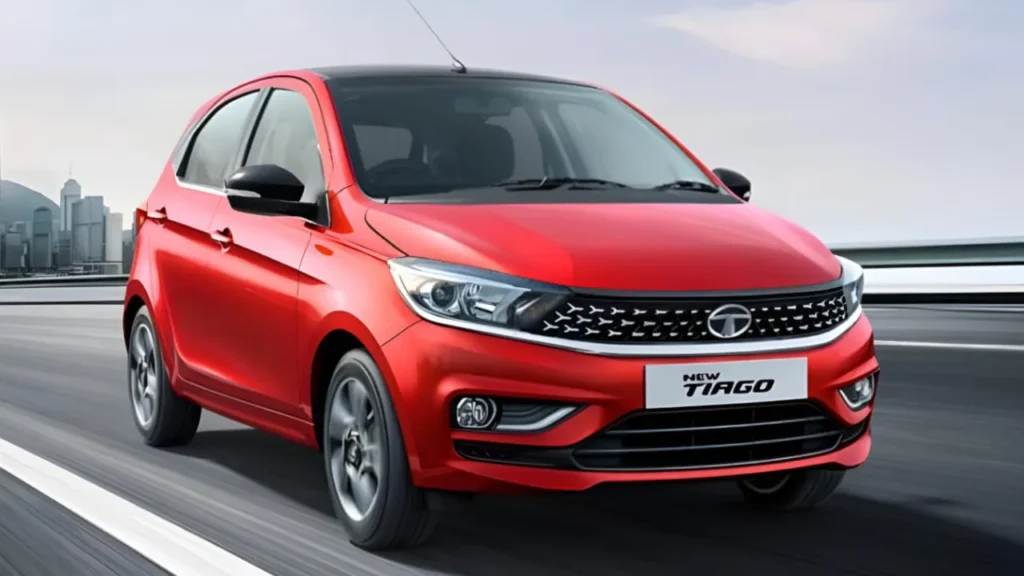
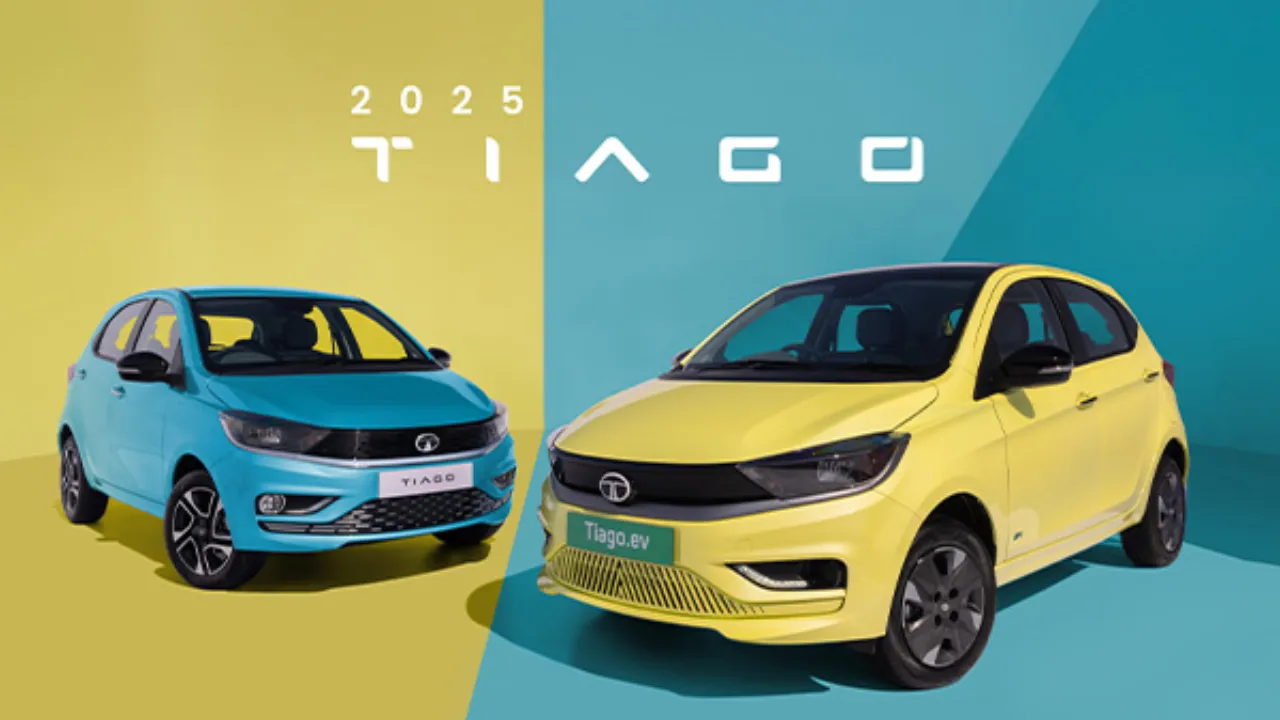
Maruti Suzuki Tiago 2025

After years of playing second fiddle to SUVs, hatchbacks are finally clawing their way back into relevance in the Indian car market. And this time, the trigger isn’t flashy styling or feature overload—it’s affordability.

The game-changer? GST 2.0, a landmark tax reform that has reset pricing for small cars and pulled budget-conscious buyers back into showrooms in large numbers.

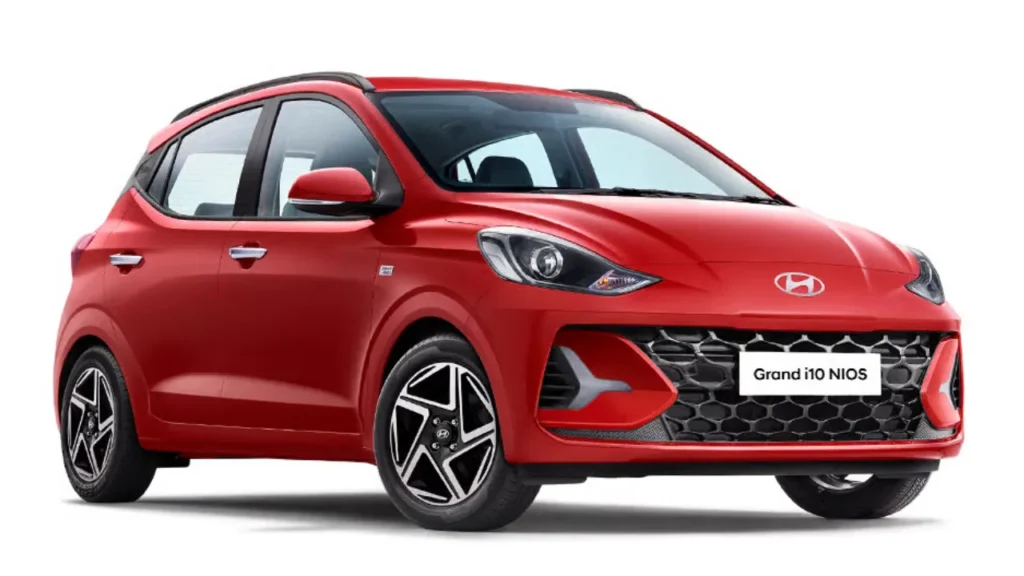
Maruti Suzuki Nios i10

The Turning Point: September 22, 2025

Everything changed when the government reduced GST on small cars from 28% to 18%. This single move delivered instant price corrections across the entry-level segment, making hatchbacks viable again for middle-class and first-time buyers.

Models That Benefited the Most

  • Maruti Suzuki: Alto, S-Presso, Celerio, WagonR
  • Tata Motors: Tiago, Altroz
  • Hyundai: Grand i10 Nios, i20
  • Renault: Kwid
  • Toyota: Glanza

For many buyers, this wasn’t just a discount—it was the return of rational car pricing.
Read Also

Maruti Suzuki Tiago

By the Numbers: The December 2025 Surge

Within weeks of the GST revision, the recovery became impossible to ignore.

Key Market Indicators

  • 91.8% YoY Growth: Maruti’s entry-level and compact hatchbacks nearly doubled sales in December 2025
  • 24.4% Market Share: Hatchbacks now command nearly a quarter of all PV sales (up from 23.5%)
  • 23% Industry-Wide Growth: Small car dispatches jumped sharply across manufacturers
  • 6-Week Waiting Periods: Alto and WagonR now have month-long waiting periods in Tier-2 and Tier-3 cities

This wasn’t a soft rebound—it was a demand shock.
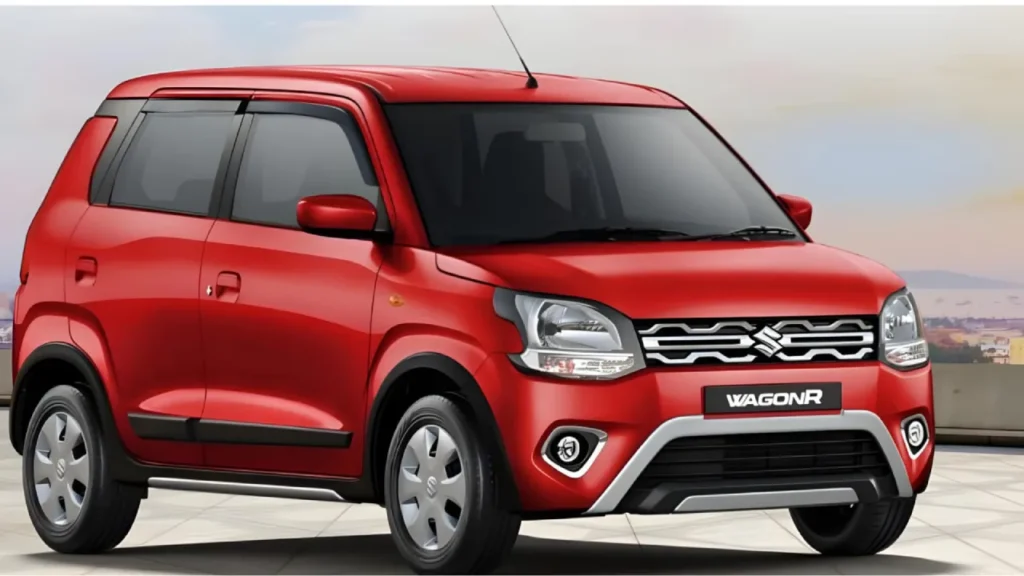
Maruti Suzuki

The Return of the First-Time Buyer

Perhaps the most important outcome of GST 2.0 is the return of first-time car buyers—a segment that had quietly drifted away due to rising prices.
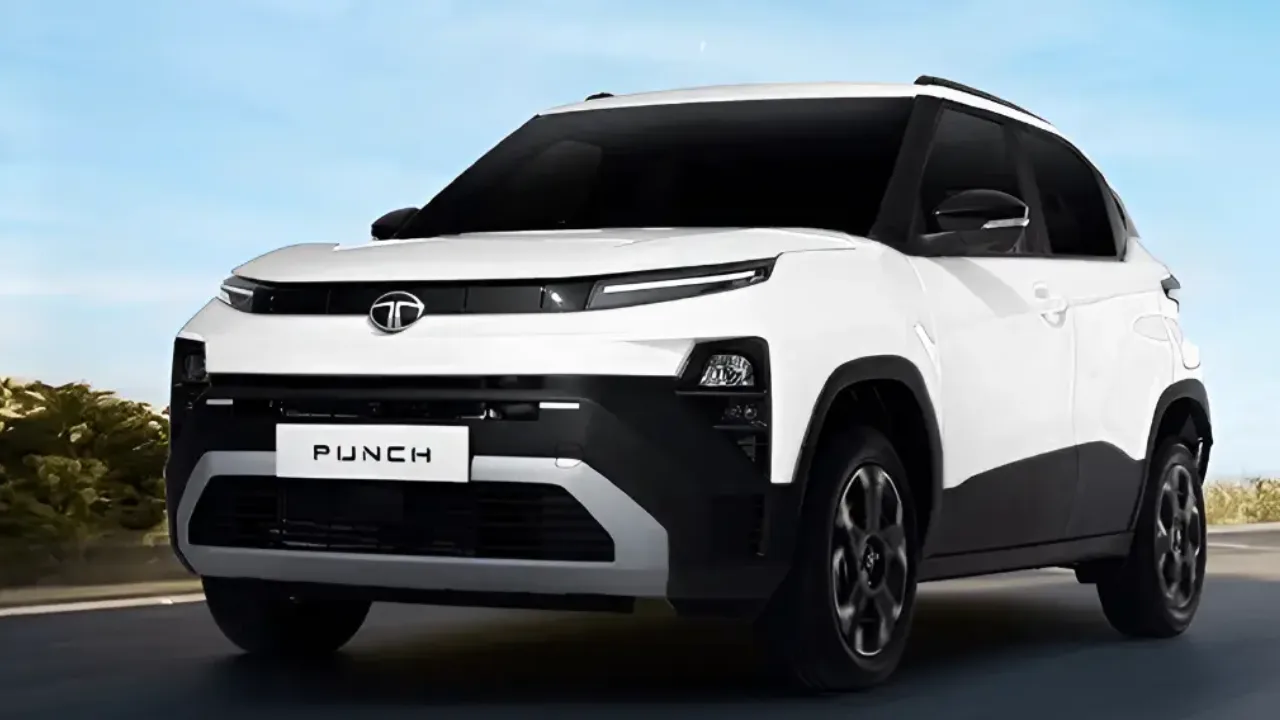
  • 5% Increase in first-time buyers reported by Maruti Suzuki
  • Lower EMIs and upfront costs restored the hatchback as a true entry point to car ownership
  • Small cars are once again acting as the foundation of Indian mobility, not just fleet tools

For many households, the hatchback is no longer a compromise—it’s the smart choice.

Can Hatchbacks Dethrone SUVs Again?

The comeback is real, but expectations remain grounded.

Market Reality Check

  • SUVs still control over 50% of total passenger vehicle sales
  • Analysts believe hatchbacks have found their price floor, not their historic peak
  • Tata Motors expects a steady 18–20% growth in hatchbacks during H2 FY2026—healthy, but sustainable

In short, hatchbacks won’t kill SUVs—but they don’t need to.

GadiGarage Verdict

GST 2.0 has successfully “right-priced” the small car segment.
While SUVs continue to dominate aspirations, hatchbacks have reclaimed their role as practical, affordable, and sensible mobility solutions—especially for India’s first-time buyers and small families.

So, what about you — are lower hatchback prices tempting you back to a small car, or is the SUV dream still alive?
Tell us your thoughts in the comments below!
- NEXT POST -

Mercedes-Benz India: Value Over Volume Strategy Drives Record Revenue

Mohammed Bilal Avatar

Mohammed Bilal

Published: January 15, 2026

Share:
Mercedes Benz India

Mercedes-Benz India has wrapped up calendar year 2025 with its highest-ever annual revenue, proving that chasing value can matter more than chasing volume in the luxury car business.

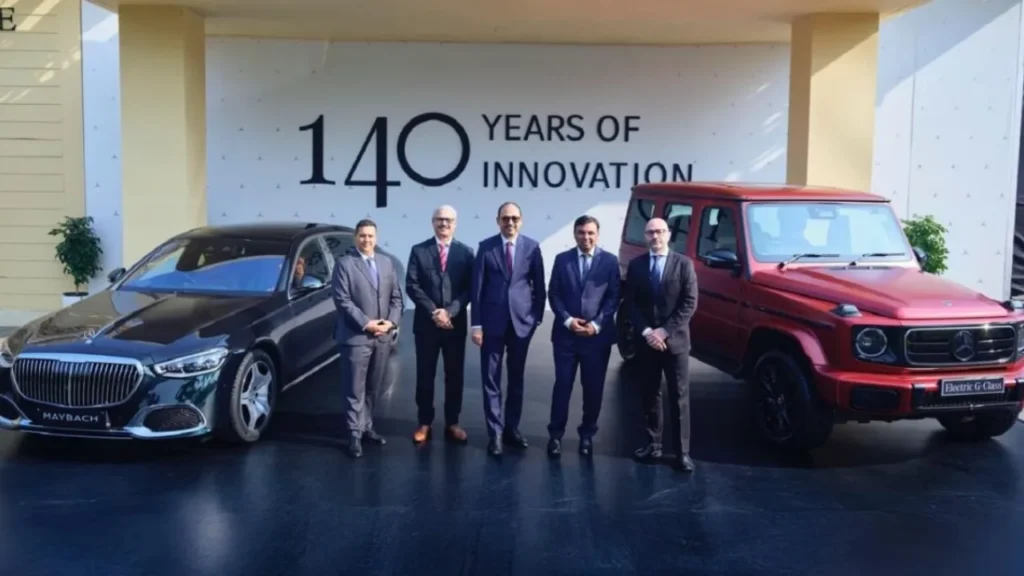
Despite delivering 19,007 units, slightly lower than 19,565 units in 2024 (a 2.85% dip), Mercedes successfully pushed higher-margin products, taking India into the Top 5 global markets for Mercedes-Maybach for the first time.

Top-End Vehicles (TEV): The Revenue Engine

The biggest contributor to Mercedes-Benz India’s record revenue was its Top-End Vehicle (TEV) portfolio—cars priced above ₹1.5 crore.

  • TEV Growth: Up 11% year-on-year
  • Sales Contribution: 25% of total Mercedes-Benz India sales
  • Key Models: S-Class, Maybach GLS, AMG performance range

AMG Leads the Charge

Mercedes-AMG recorded a massive 34% growth in 2025. Strong demand for high-performance SUVs and sedans such as the G-Class, GLE 53, and GLC 43 drove this surge.

Mercedes Benz Look

Diesel Makes a Comeback

Following GST 2.0 adjustments in September 2024, diesel vehicles rebounded sharply:

  • Diesel share: 43% in 2025
  • Up from: 39% in 2024

This highlights continued trust in Mercedes’ diesel powertrains among long-distance and luxury SUV buyers.

A Global First: Maybach GLS Made in India

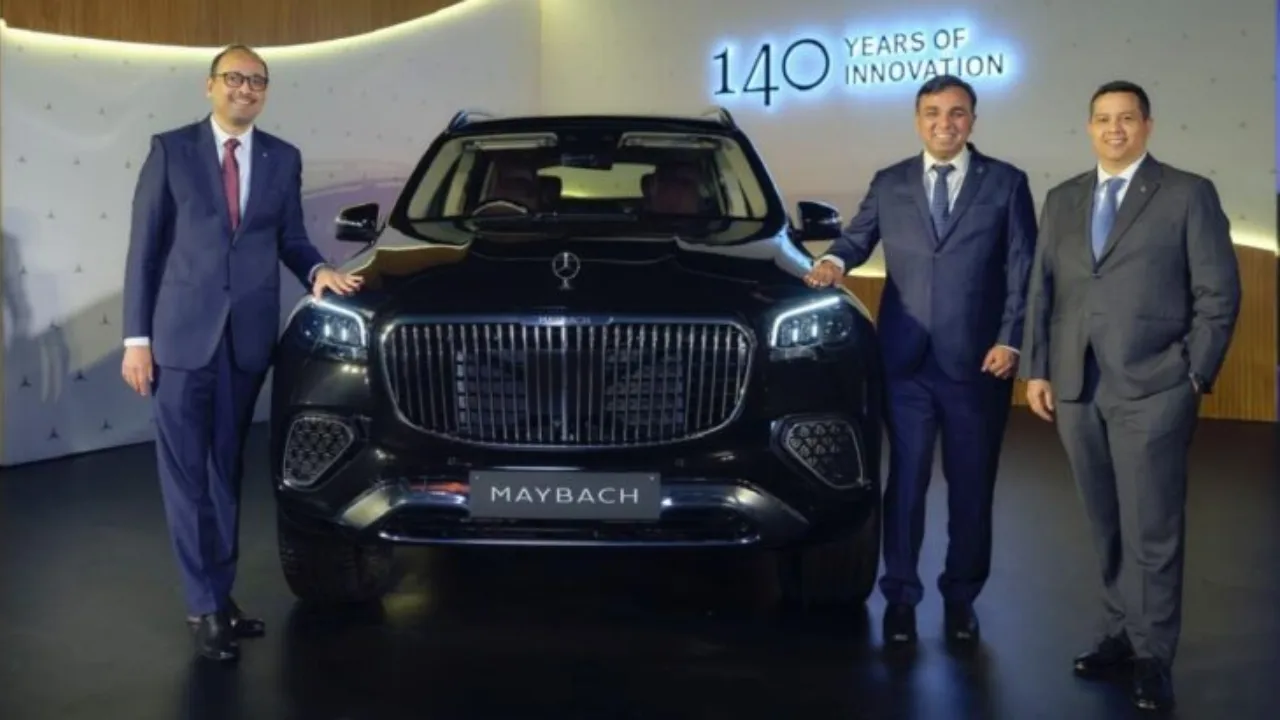
In a landmark move, India became the only market outside the US to locally manufacture the Mercedes-Maybach GLS.

  • Manufacturing Location: Pune
  • Price Reduction: Over ₹40 lakh
  • New Starting Price: ₹2.75 crore (ex-showroom)

Local assembly has significantly reduced waiting periods while making ultra-luxury SUVs more accessible to Indian buyers.

Celebration Editions Launched

  • Maybach GLS Celebration Edition: ₹4.10 crore
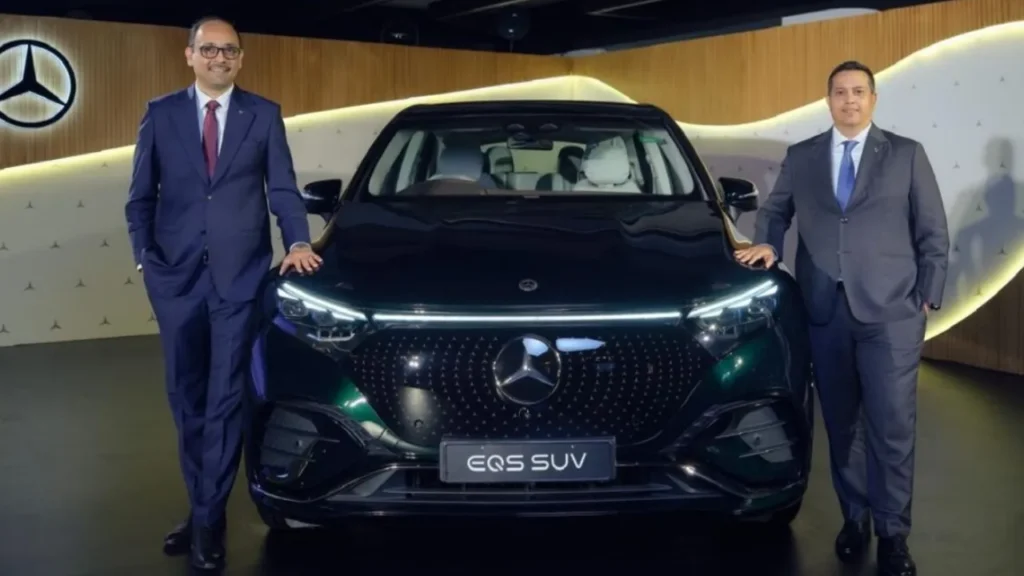
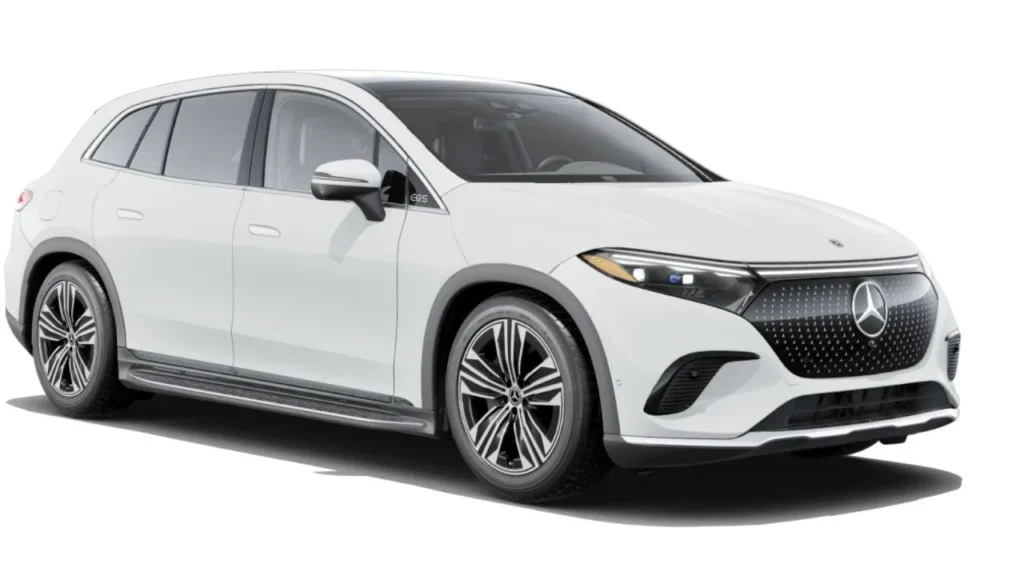
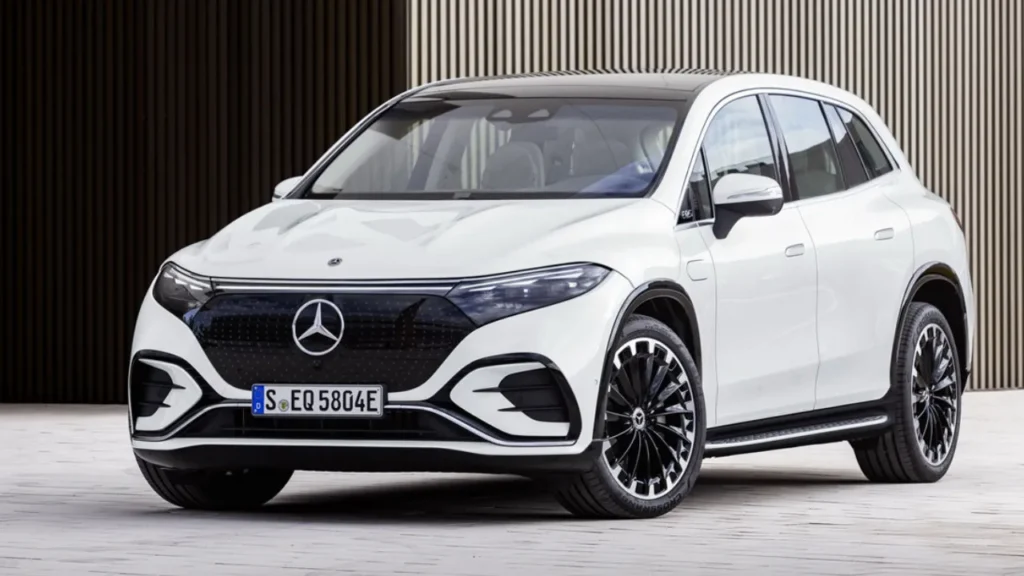
  • EQS SUV Celebration Edition: Starting ₹1.34 crore
Mercedes Benz Car

Electric Vehicles: Luxury EVs Go Mainstream

Mercedes-Benz India’s BEV portfolio grew by 12% in 2025.

  • EV Share of TEV Sales: 20%
  • High-End EV Focus: 70% of EVs sold were priced between ₹1.25 crore and ₹3.1 crore
  • Top Performer: Mercedes-Benz EQS SUV

This clearly shows that Indian luxury EV buyers are skipping entry-level options and moving straight to flagship models.

Mercedes Benz Sales 2025

2026 Roadmap: Aggressive Expansion Ahead

Mercedes-Benz India has outlined a busy 2026 with 12 new launches planned.

Key Highlights

  • CLA Electric: To debut with the new MB.OS operating system
  • Retail Investment: ₹450 crore from dealer partners
  • Network Expansion:
    • 15 new touchpoints
    • 15 upgraded existing outlets
  • Charging Ecosystem:
    • Launch of MB.Charge Public
    • Access to 9,000+ DC fast chargers across India via a single app
Mercedes Benz Sales 2025

Sales Mix Breakdown (2025)

SegmentSales Share2025 Performance
Entry Luxury (A-Class, GLA)13%Down 20% (intentional pullback)
Core Luxury (C, E, GLC)62%Remained volume backbone
Top-End Luxury (S, Maybach, AMG)25%Grew 11%, highest revenue

GadiGarage Verdict

Mercedes-Benz India’s 2025 strategy makes one thing clear: India is no longer just a volume market—it’s a serious luxury hub. By prioritizing Maybachs, AMGs, and high-end EVs, Mercedes has protected margins while reinforcing its top-tier brand image.

With BMW narrowing the sales gap, the battle ahead won’t be about numbers alone—it will be about who owns the ultra-luxury customer.

So, what do you think — does the ₹40 lakh price cut make the locally built Maybach GLS irresistible, or do you still prefer the exclusivity of a full CBU import?
Tell us your thoughts in the comments below!
- NEXT POST -

Loading more posts...